Why Creatine May Be the Missing Link in Your Menopause Health Plan
When women enter perimenopause and menopause, the conversation usually centers around hormones.
Estrogen declines. Progesterone shifts. Sleep changes. Weight redistributes. Muscle mass decreases.
But here is what often gets missed.
Muscle loss during midlife is not cosmetic. It is metabolic. It is structural. It affects strength, bone health, brain function, and long-term independence.
That is where creatine enters the discussion. And no, it is not just for bodybuilders.
Let’s talk about why creatine is one of the most researched and potentially beneficial supplements for women in perimenopause and menopause.
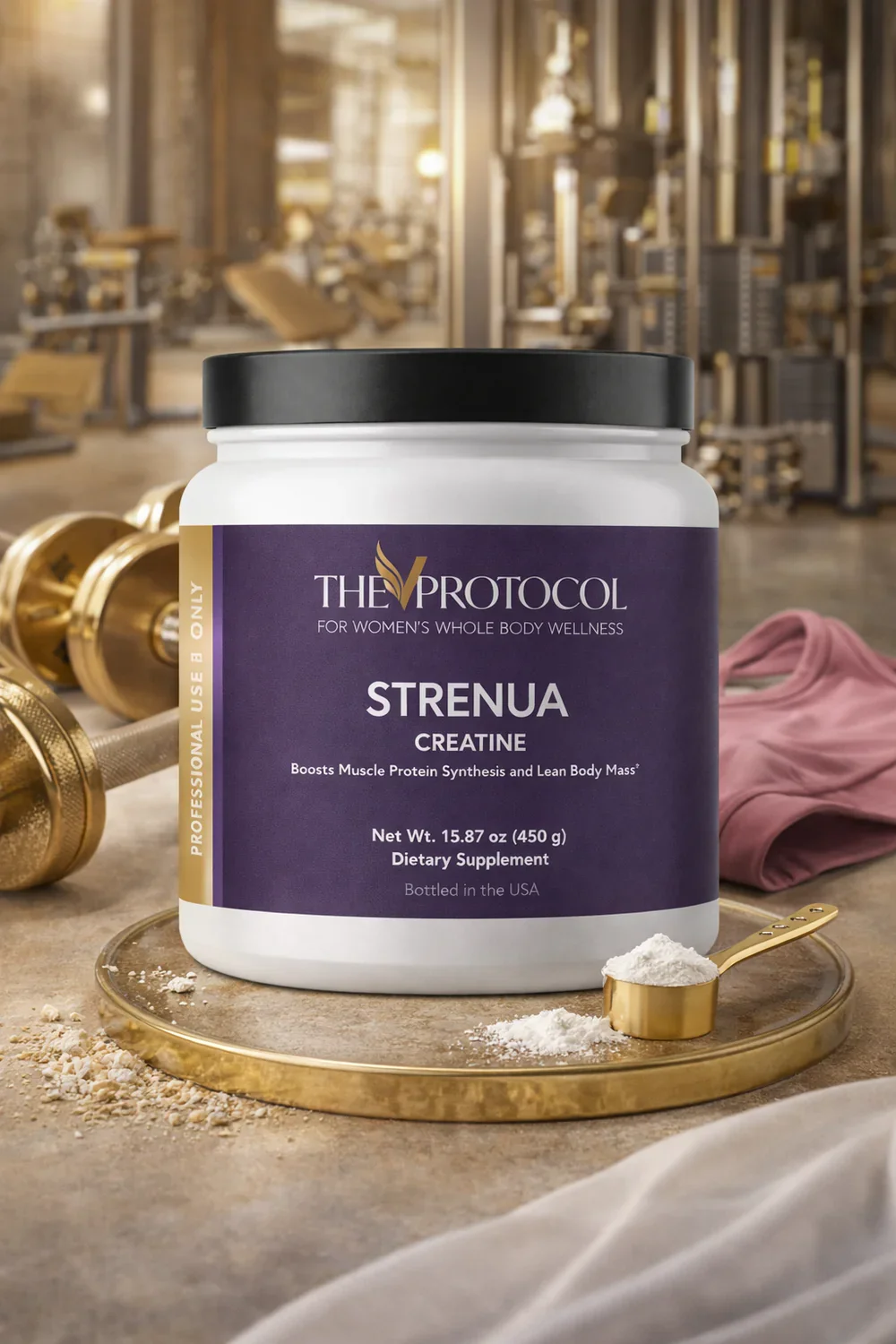
Supplementing increases your muscle creatine stores, which can improve strength, muscle mass, and cellular energy availability.
What Is Creatine?
Creatine is a naturally occurring compound made from amino acids. It is stored primarily in muscle tissue and helps produce ATP, which is the body’s main energy currency for short bursts of activity.
You already have creatine in your body. You also get small amounts from foods like red meat and fish.
Supplementing increases your muscle creatine stores, which can improve strength, muscle mass, and cellular energy availability.
That matters more during menopause than many women realize.
The Midlife Muscle Shift
Starting in our 30s and accelerating in our 40s and 50s, women begin to lose lean muscle mass. This process is called sarcopenia.
The decline in estrogen contributes to:
Reduced muscle protein synthesis
Increased fat mass
Reduced insulin sensitivity
Increased inflammation
Loss of muscle affects:
Metabolic rate
Blood sugar control
Bone density
Physical strength
Fall risk
This is not about appearance. It is about long-term health.
Resistance training is essential. But research shows that creatine supplementation can enhance the muscle-building response to strength training, especially in postmenopausal women.
Creatine and Muscle Preservation
Multiple clinical studies have demonstrated that creatine, when combined with resistance training, can:
Increase lean muscle mass
Improve strength
Improve functional performance
Support muscle recovery
In postmenopausal women, creatine supplementation has been shown to enhance gains in muscle strength compared to resistance training alone.
That is significant.
Because preserving muscle is preserving independence.
Bone Health Support
Estrogen decline increases the risk of bone loss and osteoporosis.
Creatine does not directly replace estrogen. However, by improving muscle strength and increasing mechanical load on bones during resistance training, creatine may indirectly support bone density.
Stronger muscles pull on bone. That mechanical stress stimulates bone maintenance.
Some studies suggest creatine combined with strength training may help slow bone mineral density loss in postmenopausal women.
Bone protection requires a multi-layered approach. Creatine may be part of that strategy.
Brain and Cognitive Benefits
Menopause is often associated with:
Brain fog
Reduced mental clarity
Mood changes
Creatine is not only stored in muscle. It is also used by the brain for cellular energy.
Emerging research suggests creatine supplementation may support cognitive performance, especially during periods of stress or sleep deprivation. While more research is needed specifically in menopausal women, the mechanism makes sense.
Brain cells require energy. Creatine helps support that energy system.
Metabolic Health and Insulin Sensitivity
Midlife often brings increased central weight gain and higher risk for insulin resistance.
Creatine supplementation, particularly when combined with exercise, has been shown in some studies to improve glucose handling and support muscle glucose uptake.
Muscle is a major site of glucose disposal. Preserving muscle helps preserve metabolic health.
This is where health and wealth intersect. Preventing metabolic disease protects long-term financial stability.
Is Creatine Safe for Women?
Creatine monohydrate is one of the most researched supplements in the world. In healthy individuals, it has an excellent safety profile when taken at recommended doses.
Common concerns include:
Kidney health: In individuals with normal kidney function, creatine has not been shown to cause kidney damage. However, women with pre-existing kidney disease should consult their physician.
Water retention: Some women notice mild water retention initially. This is typically intracellular water within muscle, not harmful fluid accumulation.
Weight gain: Small increases in weight may reflect increased muscle mass and water stored in muscle tissue, not fat gain.
As always, individualized medical guidance matters.
Dosing Considerations
The most studied form is creatine monohydrate.
Typical dosing:
3 to 5 grams daily
No loading phase required for most women
Consistency matters more than timing.
Pairing creatine with resistance training maximizes benefit.
Who Should Consider Creatine in Midlife?
Women who:
Are in perimenopause or menopause
Engage in strength training
Want to preserve muscle mass
Are concerned about bone density
Experience fatigue or reduced physical performance
Creatine is not a replacement for hormone therapy, nutrition, or exercise. It is a tool. A supportive one.
The Bigger Picture
Perimenopause and menopause are not simply hormonal transitions. They are metabolic transitions.
We must think about:
Muscle
Bone
Brain
Metabolism
Longevity
Creatine is not trendy hype. It is a well-studied supplement that may offer meaningful support during this stage of life.
When we take control of our health during menopause, we protect our strength, our independence, and our future.
Midlife is not decline. It is recalibration.
And with the right strategy, it can be powerful.
The V-Protocol™ Approach to Whole-Body Wellness
Supplements for Women
The V-Protocol™ is built on clinical insight, evidence-based formulation, and a deep understanding of female physiology. Each supplement is intentionally designed to work within the body's interconnected systems-supporting strength, balance, and long-term vitality through every stage of a woman's life.
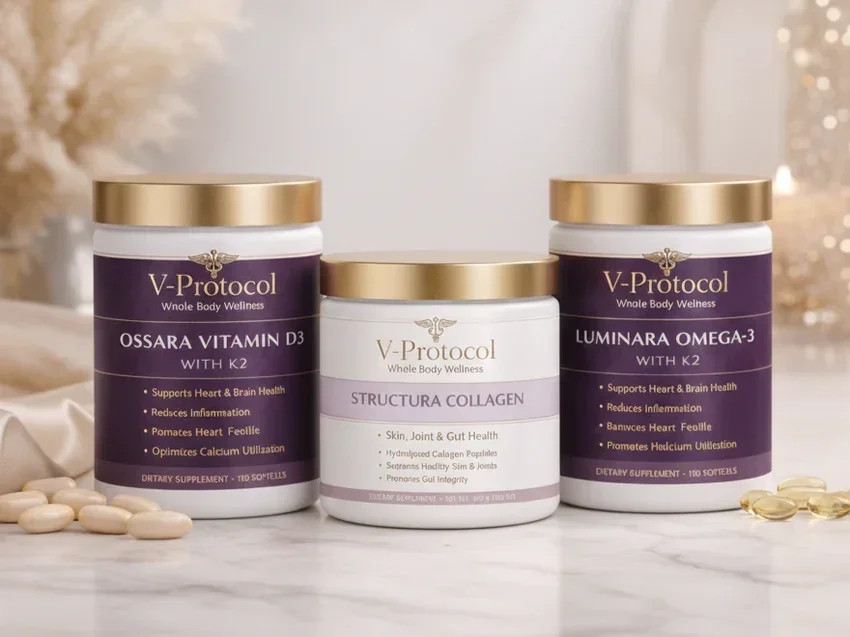
V-Protocol supplements use clinically studied, highly bioavailable ingredients selected for therapeutic effectiveness—not cost. Unlike retail supplements, these formulas are dosed and manufactured to meet medical-grade standards for purity, potency, and consistency.
Defy Menopause - Own the Change
Many women tell me: "One day I feel amazing. The next, I can barely get out of bed. Is this normal?"
Yes, it is. And no, you don’t have to suffer through it alone.
Hormonal fluctuations during perimenopause can make you feel like you’ve lost control of your body. But knowledge is powerful. And there are clear, science-backed ways to support your hormones, ease symptoms, and reclaim your energy.
That’s exactly why I created Defy Menopause: Own the Change — a 30-day program designed to give you the tools, knowledge, and support you need to move through these changes with clarity and confidence.
Inside, you’ll find:
Access to Dr. Tracy Verrico at one (1) live, group session
Clear action steps for managing symptoms naturally
Because you deserve more than just "putting up with it."
You deserve to thrive.
Let’s Connect
Schedule an Appointment | LinkedIn | YouTube | Instagram | Bona Dea Gynecology
Medical Disclaimer: The information provided in this blog is for general educational and informational purposes only and is not intended as, nor should it be considered, medical advice. This content does not establish a physician-patient relationship and is not a substitute for professional medical advice, diagnosis, or treatment. Always seek the advice of your physician or other qualified healthcare provider with any questions you may have regarding a medical condition. Never disregard professional medical advice or delay seeking it because of something you have read in this newsletter. If you think you may have a medical emergency, call your doctor or emergency services immediately.