Precious Metals: The Timeless Investment Every Woman Should Understand
When most people think about investing, they picture stock tickers and brokerage accounts. And yes, those absolutely belong in a smart financial strategy. But there's a category of investment that has held its value across centuries, survived market crashes, outlasted empires, and remained relevant through every economic cycle in modern history.
Precious metals.
I know what you might be thinking. Isn't that for doomsday preppers and collectors? Bear with me — because understanding this asset class is one of the most overlooked pieces of building a truly resilient financial life. And resilience, whether we're talking about your hormones or your portfolio, is always the goal.
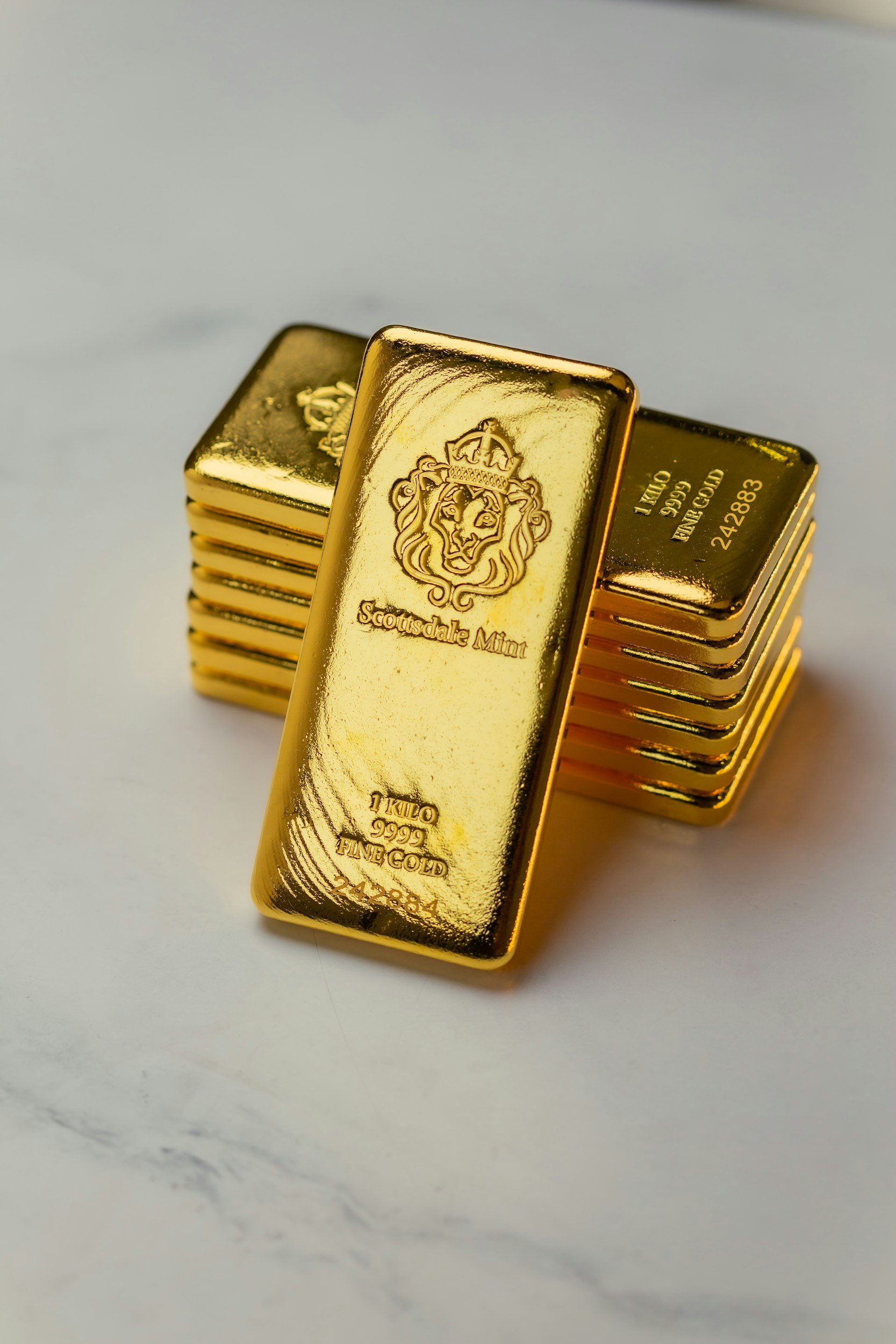
Precious metals are naturally occurring metallic elements that are rare, durable, and hold significant economic value.
What Are Precious Metals?
Precious metals are naturally occurring metallic elements that are rare, durable, and hold significant economic value. Unlike paper currency or stocks, they are tangible assets — meaning you can hold them in your hand. Their value is not dependent on any single company's performance or a government's decision to print more money.
The four most commonly invested precious metals are:
Gold — The most recognized store of value in human history. Gold has been used as currency, a symbol of wealth, and a financial safe haven for thousands of years. Today it is widely held by central banks, institutional investors, and individual savers alike. It tends to hold its value — and often increase — during periods of economic uncertainty or inflation.
Silver — Often called "gold's more accessible sibling," silver carries both investment value and significant industrial demand. It is used in electronics, solar panels, and medical devices, which means its price is influenced by both financial markets and real-world industrial activity. Silver is typically more affordable than gold, making it an accessible entry point for new precious metals investors.
Platinum — Rarer than gold, platinum carries strong industrial applications, particularly in the automotive sector and medical technology. Its price can be more volatile than gold or silver, but it has historically traded at a premium and represents a compelling addition to a diversified metals position.
Palladium — The newest of the four to gain mainstream investment attention, palladium is primarily used in catalytic converters and electronics manufacturing. It is among the rarest metals on earth, and its price reflects that scarcity.
Why Invest in Precious Metals?
This is the question that matters most. Not what they are, but why they deserve a place in your financial strategy.
They protect against inflation. When the purchasing power of paper currency erodes — as it does during periods of inflation — precious metals, particularly gold, tend to hold or increase their value. Over the long run, gold has preserved purchasing power in a way that cash simply cannot.
They are a hedge against market volatility. Stocks and bonds can lose significant value during economic downturns. Precious metals often move in the opposite direction, providing a counterbalance that smooths out the overall performance of your portfolio. This is what financial professionals call a "non-correlated asset" — and it's one of the most valuable things you can own when markets become unpredictable.
They carry no counterparty risk. A stock's value depends on a company performing well. A bond's value depends on an issuer not defaulting. Physical precious metals don't carry that risk — their value is intrinsic and universal.
They are globally recognized. Gold and silver are accepted and understood everywhere in the world. In times of geopolitical instability or currency crises, precious metals have historically served as a reliable store of wealth across borders.
They diversify your portfolio. Every strong portfolio is built on diversification — spreading risk across different asset classes so that no single downturn can derail your entire financial plan. Precious metals add a layer of diversification that stocks, bonds, and real estate simply cannot replicate.
How to Invest in Precious Metals
There is no single right way to invest in precious metals — and that's actually good news, because it means there's an approach that fits almost every budget and comfort level.
Physical metals (bullion coins and bars)
This is the most direct form of ownership. You purchase gold or silver in the form of coins or bars, which you then store either at home in a secure safe or through a professional vault or depository service. The appeal is clear: you own something tangible and real. The considerations include storage costs, insurance, and the premium you pay over the spot price at purchase.
For many women I speak with, there is something deeply empowering about owning a physical asset outright — something that cannot be hacked, frozen, or inflated away.
Precious metals ETFs
Exchange-traded funds that track the price of gold or silver offer a convenient, lower-cost way to gain exposure to precious metals without the logistics of physical storage. These trade on the stock market just like any other ETF, making them easy to buy and sell. The trade-off is that you don't hold the actual metal — you hold a financial instrument that represents it.
Mining stocks
Another indirect route is investing in companies that mine precious metals. These stocks tend to amplify the movement of metal prices — when gold rises, mining companies can see outsized gains. They also carry additional company-specific risk, so they require more research and carry more volatility than the metal itself.
Precious metals IRAs
For tax-advantaged investing, certain types of IRAs allow you to hold physical gold, silver, platinum, and palladium as part of your retirement savings. This is a powerful option for women who want the inflation-protection benefits of precious metals within the structure of a long-term, tax-efficient retirement account.
How Much Should You Allocate?
Most financial professionals suggest allocating somewhere between 5 and 15 percent of a well-diversified portfolio to precious metals, with the exact amount depending on your timeline, risk tolerance, and overall investment goals. Precious metals are not a replacement for stocks, bonds, or retirement accounts — they are a complement to them.
Think of it like your health protocol. No single supplement or intervention does everything. The strongest outcomes come from a layered, integrated approach. Your portfolio works the same way.
A Final Thought
Women are increasingly driving investment decisions in this country — and that is a shift worth celebrating. But with that power comes the responsibility of making informed choices rather than reactive ones.
Precious metals have endured because they carry real, intrinsic value that no market correction, no government policy, and no economic cycle can permanently erase. That kind of durability belongs in a financial strategy built for the long game.
You have worked too hard to leave your financial future to chance. Precious metals are one more tool in the toolkit of a woman who intends to thrive — not just survive.
Watch the Free Webinar: Breathe Life Into Your Financial Wellbeing
I created this powerful session to help you:
Understand where to start with your finances
Break free from fear, guilt, or confusion
Learn how to align your money with your values and vision
Ready to Take Control of Your Financial Future?
You deserve to feel confident and secure about your financial future. This is why I have created my 8-week financial literacy program, What Wealthy Women Know - so that all women have access to the information necessary to secure their future.

Remember, it’s not about chasing perfection. It’s about making intentional choices that align with your goals.
Whether you lack confidence in making financial decisions or feel overwhelmed by yet another task in your already beyond-full schedule, here’s the truth:
Your future depends on your financial literacy.
So, are you ready to take control and build the wealth and security you deserve?
Let’s Connect
Schedule an Appointment | LinkedIn | YouTube | Instagram | Bona Dea Gynecology
Financial Disclaimer: The information contained in this blog is provided for informational and educational purposes only and does not constitute financial, investment, tax, or legal advice. The content should not be relied upon as a basis for making any financial decisions. Before making any financial decisions, you should consult with a qualified financial advisor, accountant, or attorney who can assess your individual circumstances. The author(s) and publisher of this newsletter are not licensed financial advisors and accept no liability for any loss or damage arising from reliance on the information provided.