Why Inflammation Increases During Menopause — and What Actually Helps
Most women know that estrogen is a reproductive hormone. What far fewer women know is that estrogen has been functioning as a powerful anti-inflammatory agent throughout their reproductive years — quietly modulating the immune system, regulating inflammatory pathways, and protecting tissues from the kind of chronic, low-grade inflammation that drives so many of the diseases we most want to avoid.
This protective role doesn't get much attention while estrogen is present, because its effects are largely invisible. What makes them visible is their absence. When estrogen declines during perimenopause and menopause, the inflammatory landscape of the body shifts — measurably, consequentially, and in ways that help explain a wide range of the symptoms and health changes women experience during this transition.
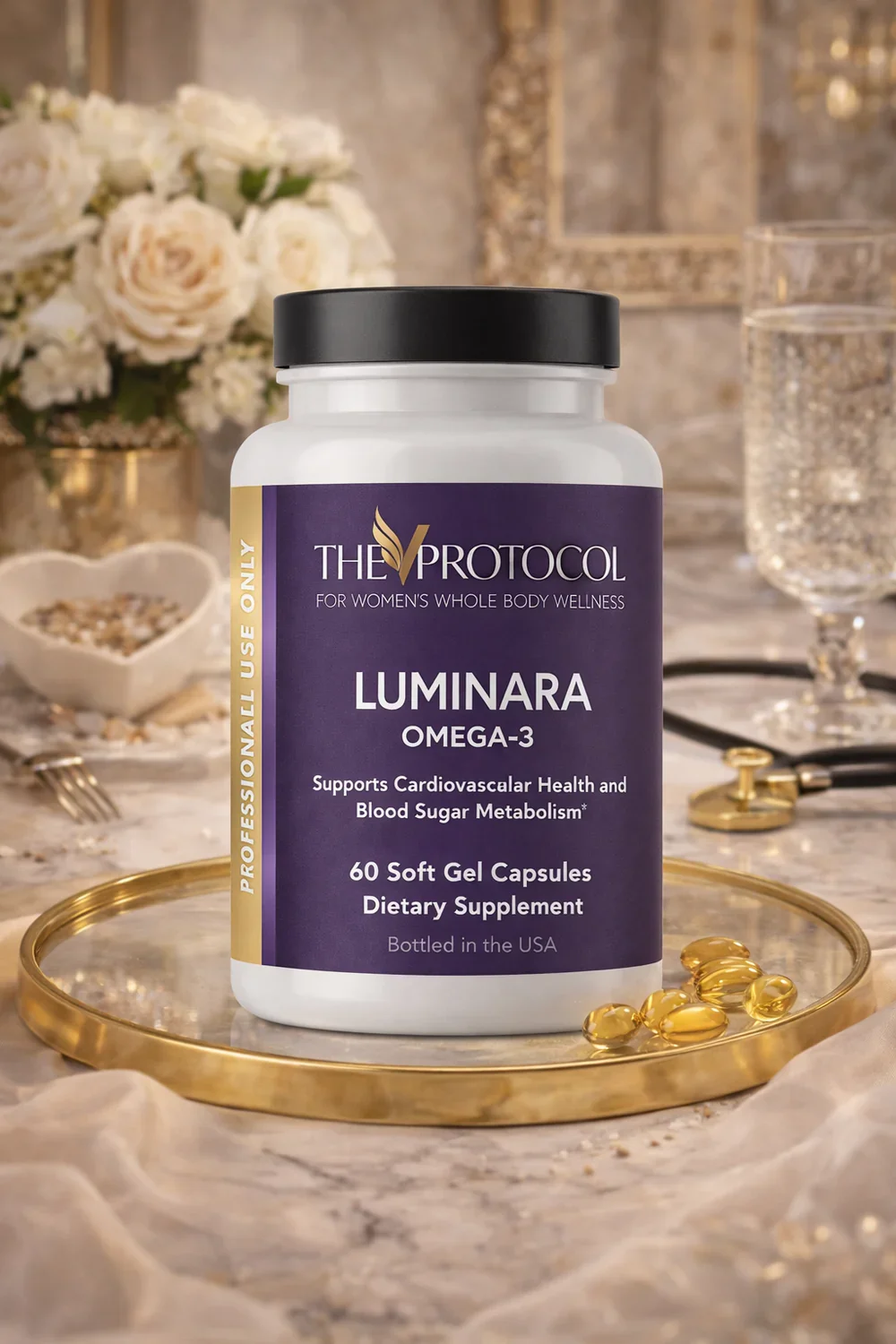
Omega-3 fatty acids play a central role in cardiovascular health, cognitive function, inflammatory balance, hormonal signalling, and skin integrity.
What Happens to Inflammation During the Menopause Transition
Estrogen exerts its anti-inflammatory effects through multiple mechanisms. It regulates the production of pro-inflammatory cytokines — the signaling molecules that activate and sustain inflammatory responses. It modulates the activity of immune cells, particularly macrophages and T cells, that are involved in tissue inflammation. And it protects the endothelial cells lining blood vessels from inflammatory damage — a function with direct implications for cardiovascular health.
As estrogen declines, all of these regulatory functions weaken simultaneously. The result is an increase in circulating inflammatory markers — including C-reactive protein (CRP), interleukin-6 (IL-6), and tumor necrosis factor-alpha (TNF-α) — that has been documented consistently in postmenopausal women compared to premenopausal women of similar age.
This shift in inflammatory baseline is not abstract. It manifests in recognizable ways: joint stiffness and pain that seem to appear without injury, worsening allergic responses, increased susceptibility to illness, and inflammatory contributions to the visceral fat accumulation and insulin resistance that characterize menopause-related metabolic change. It is also directly relevant to the elevated cardiovascular risk that rises after menopause — chronic vascular inflammation is one of the primary drivers of atherosclerotic disease.
And increasingly, researchers understand this inflammatory shift as relevant to cognitive health as well. Neuroinflammation — inflammation within the central nervous system — is implicated in the cognitive changes many women notice during this transition, including difficulty with memory, concentration, and processing speed.
Inflammation and the Symptoms You May Already Be Experiencing
If you are in perimenopause or menopause and noticing symptoms that seem disconnected from each other — joint aches, brain fog, digestive changes, new food sensitivities, skin reactions, fatigue that sleep doesn't resolve — it is worth considering inflammation as a potential common thread. None of these symptoms is definitively caused by inflammation alone, and thorough clinical evaluation is always appropriate. But the inflammatory shift of menopause is real enough to be worth addressing directly, regardless of whether it fully explains any particular symptom.
What Actually Helps: The Evidence-Based Approaches
Nutrition is the most powerful lever. The dietary pattern with the most consistent anti-inflammatory evidence base is the Mediterranean-style approach: abundant vegetables and fruits, legumes, whole grains, fish and seafood, olive oil as the primary fat source, and limited red meat, processed foods, and refined carbohydrates. This pattern has been associated with lower levels of circulating inflammatory markers and with reduced risk of the specific diseases that inflammation drives — cardiovascular disease, type 2 diabetes, and cognitive decline.
The specific components that most consistently demonstrate anti-inflammatory activity include omega-3 fatty acids (found in fatty fish, walnuts, and flaxseed, and available in supplement form as fish oil or algae-based omega-3s), polyphenol-rich foods (berries, dark leafy greens, green tea, extra virgin olive oil), and fiber from whole plant foods, which supports the gut microbiome in ways that have downstream anti-inflammatory effects.
Conversely, the most consistently pro-inflammatory dietary patterns are those high in ultra-processed foods, refined sugars, trans fats, and vegetable oils high in omega-6 fatty acids. These are also the foods most densely concentrated in a standard Western diet — which means that dietary change for inflammation reduction often involves a meaningful shift in eating patterns, not just adding a supplement.
Resistance training and regular movement. Physical activity is anti-inflammatory — and the mechanisms are well understood. Skeletal muscle, when contracting, releases myokines that actively suppress pro-inflammatory signaling. Regular exercise reduces visceral fat, which is itself an inflammatory tissue. And it improves insulin sensitivity, which reduces the low-grade metabolic inflammation associated with insulin resistance.
Among exercise modalities, resistance training has emerging evidence for particularly robust anti-inflammatory effects in postmenopausal women, alongside its well-established benefits for muscle mass, bone density, and metabolic function.
Sleep quality. Chronic sleep deprivation is one of the most potent pro-inflammatory states a person can create. Sleep is when many of the body's repair and anti-inflammatory processes are most active. Consistently poor sleep — whether from menopausal night sweats, hormonal-driven insomnia, or other causes — directly elevates inflammatory markers and undermines every other anti-inflammatory intervention. Addressing sleep disruption is not peripheral to an inflammation strategy; it is central to it.
Omega-3 supplementation. When dietary intake of fatty fish is insufficient, supplementing with EPA and DHA — the active forms of omega-3 fatty acids — has documented anti-inflammatory effects, including reductions in circulating inflammatory markers in postmenopausal women. Dose and quality matter; look for products that disclose the specific EPA and DHA content per serving and that carry third-party purity testing.
Vitamin D. Vitamin D deficiency is extremely common in midlife women and is independently associated with elevated inflammatory markers. Vitamin D receptors are present on immune cells throughout the body, and adequate vitamin D appears to be necessary for normal immune regulation. Testing your 25-OH vitamin D level and supplementing appropriately — with a target of 70 to 90 ng/mL for most people — is a reasonable and evidence-supported part of any inflammation management strategy.
Hormone therapy. This belongs on this list, because the evidence supports it. Hormone therapy in eligible women attenuates the inflammatory shift associated with menopause. Studies show that postmenopausal women on hormone therapy have lower levels of CRP and other inflammatory markers compared to those not on therapy. This is one of several mechanisms through which hormone therapy is thought to contribute to cardiovascular and cognitive protection, particularly when initiated early in the postmenopausal period.
A Note on Testing
If you are interested in understanding your current inflammatory state, a highly sensitive CRP (hs-CRP) test is a reasonable, widely available, inexpensive starting point. It can be ordered as part of a standard blood panel. Levels below 1 mg/L are considered low risk; levels above 3 mg/L indicate elevated chronic inflammation. This is not diagnostic of any specific condition, but it provides a useful baseline and allows you to track the impact of lifestyle changes over time.
Other inflammatory markers — IL-6, TNF-α, fibrinogen — can provide additional detail but are less routinely ordered and are most useful in the context of clinical evaluation for a specific condition.
The Consistent Thread
Across every effective approach to managing inflammation in menopause — food, movement, sleep, supplementation, hormone therapy — the consistent thread is treating the body as an integrated system rather than addressing symptoms one at a time. The women who experience the most meaningful improvements in how they feel during this transition are almost always the ones taking a comprehensive approach, not a single-lever one.
The V-Protocol™ Approach to Whole-Body Wellness
Supplements for Women
The V-Protocol™ is built on clinical insight, evidence-based formulation, and a deep understanding of female physiology. Each supplement is intentionally curated to work within the body's interconnected systems-supporting strength, balance, and long-term vitality through every stage of a woman's life.
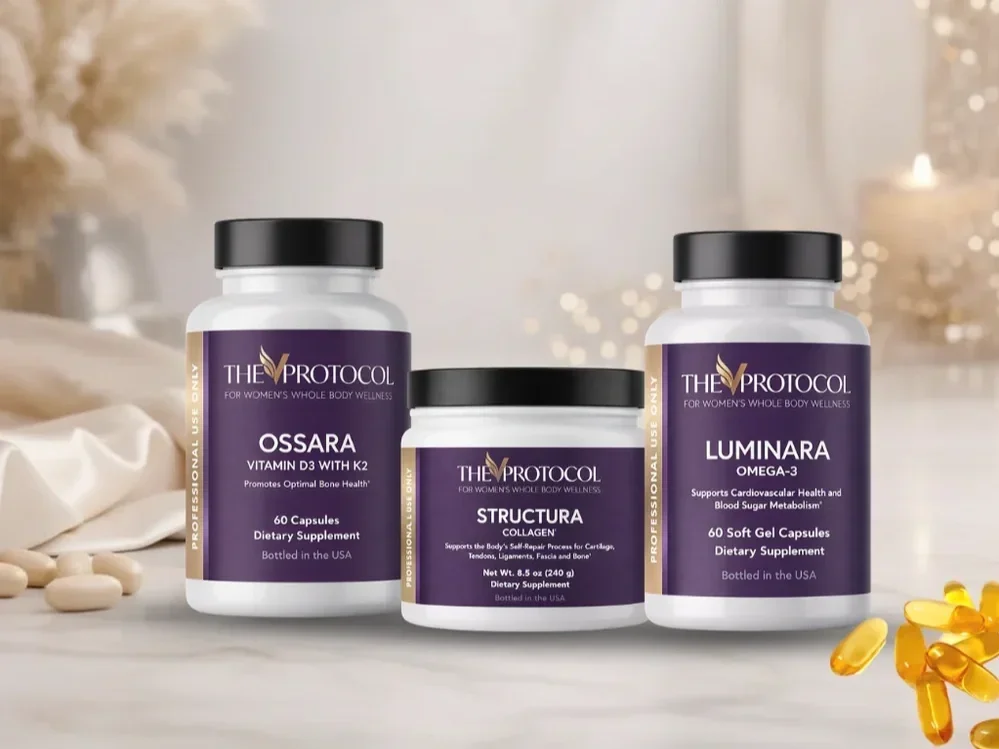
V-Protocol supplements use clinically studied, highly bioavailable ingredients selected for therapeutic effectiveness—not cost. Unlike retail supplements, these formulas are dosed and manufactured to meet medical-grade standards for purity, potency, and consistency.*
*This statement has not been evaluated by the Food and Drug Administration. These products are not intended to diagnose, treat, cure, or prevent any disease.
Defy Menopause - Own the Change
Many women tell me: "One day I feel amazing. The next, I can barely get out of bed. Is this normal?"
Yes, it is. And no, you don’t have to suffer through it alone.
Hormonal fluctuations during perimenopause can make you feel like you’ve lost control of your body. But knowledge is powerful. And there are clear, science-backed ways to support your hormones, ease symptoms, and reclaim your energy.
That’s exactly why I created Defy Menopause: Own the Change — a 30-day program designed to give you the tools, knowledge, and support you need to move through these changes with clarity and confidence.
Inside, you’ll find:
Access to Dr. Tracy Verrico at one (1) live, group session
Clear action steps for managing symptoms naturally
Because you deserve more than just "putting up with it."
You deserve to thrive.
Let’s Connect
Schedule an Appointment | LinkedIn | YouTube | Instagram | Bona Dea Gynecology
Medical Disclaimer: The information provided in this blog is for general educational and informational purposes only and is not intended as, nor should it be considered, medical advice. This content does not establish a physician-patient relationship and is not a substitute for professional medical advice, diagnosis, or treatment. Always seek the advice of your physician or other qualified healthcare provider with any questions you may have regarding a medical condition. Never disregard professional medical advice or delay seeking it because of something you have read in this newsletter. If you think you may have a medical emergency, call your doctor or emergency services immediately.
References:
Straub RH. The complex role of estrogens in inflammation. Endocr Rev. 2007;28(5):521-574.
Cannon JG. Inflammatory Cytokines in Nonpathological States. News Physiol Sci. 2000;15:298-303.
Beavers KM, Brinkley TE, Nicklas BJ. Effect of exercise training on chronic inflammation. Clin Chim Acta. 2010;411(11-12):785-793.
Furman D, Campisi J, Verdin E, et al. Chronic inflammation in the etiology of disease across the life span. Nat Med. 2019;25(12):1822-1832.
Calder PC. Omega-3 fatty acids and inflammatory processes: from molecules to man. Biochem Soc Trans. 2017;45(5):1105-1115.
Chung HY, Kim DH, Lee EK, et al. Redefining Chronic Inflammation in Aging and Age-Related Diseases. Antioxid Redox Signal. 2019;31(9):643-663.
Vitale G, Cesari M, Mari D. Aging of the endocrine system and its potential contribution to the anorexia of aging. Curr Opin Clin Nutr Metab Care. 2016;19(1):66-72.
The Menopause Society. Hormone therapy position statement. menopause.org. 2022.