Why Your Hair Is Thinning in Perimenopause
When a woman tells me her hair is thinning, the last thing I do is minimize it. Because in twenty-plus years of practice, I have learned that hair loss in midlife is almost never just one thing — and it is almost never just cosmetic.
Your hair follicles are among the most metabolically sensitive structures in your body. They respond to hormonal fluctuations, to the adequacy of your nutrition, to the state of your thyroid, and to the level of chronic inflammation you are carrying. When a woman in her forties or fifties notices changes in her hair, her body is often trying to tell her something about her internal landscape — and she deserves a clinician who listens.
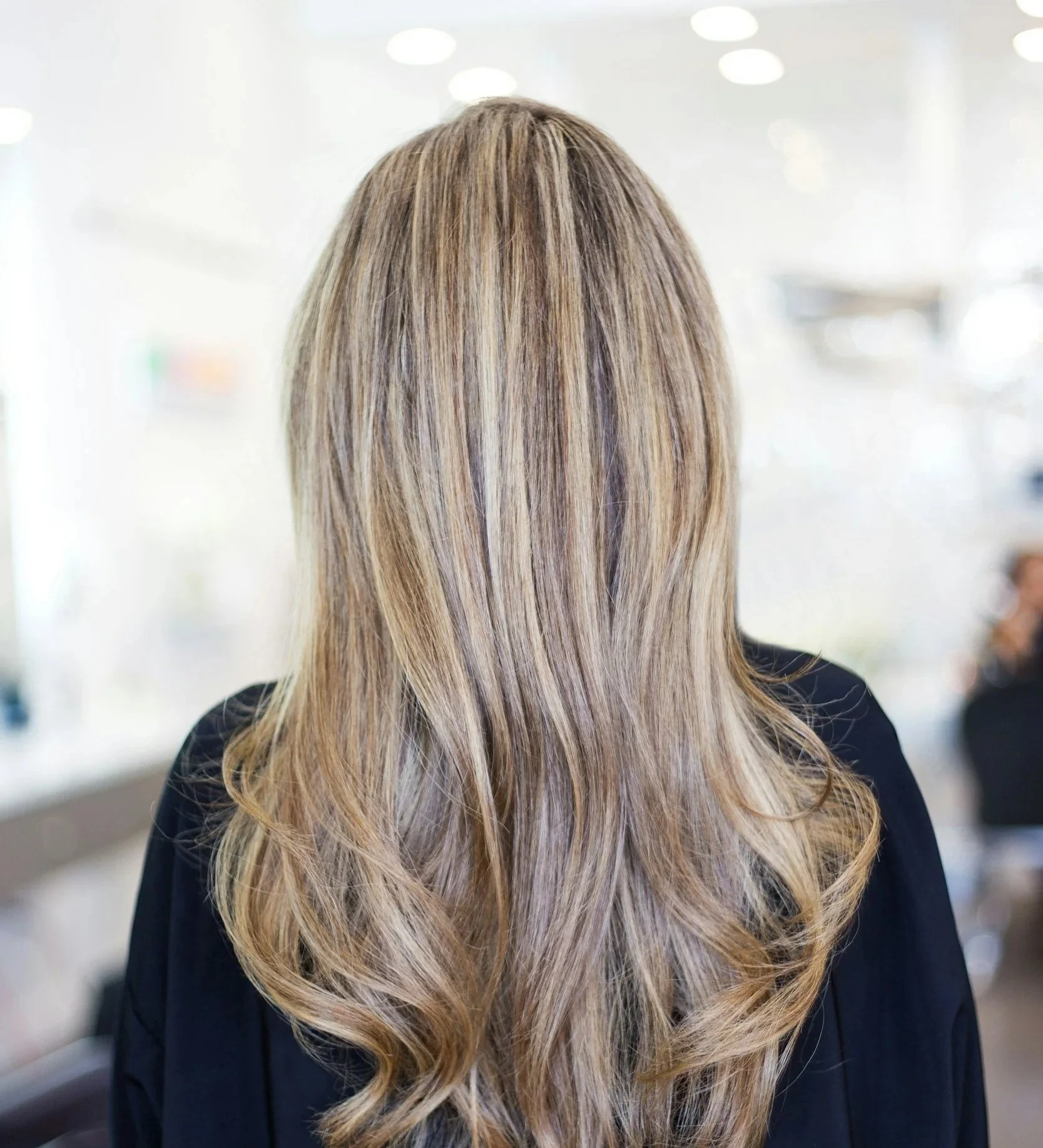
Hair loss in midlife is almost never just one thing — and it is almost never just cosmetic.
Why Menopause Changes Your Hair
Hair thinning during perimenopause and menopause is directly connected to the hormonal shifts that are rewriting your biology during this transition. Estrogen is protective of hair follicles. It keeps them in the active growth phase longer and helps maintain the fullness and texture most women associate with their pre-menopausal hair. As estrogen declines, that protection diminishes.
At the same time, the relative balance between estrogen and androgens shifts. Even when total androgen levels remain unchanged, the follicle becomes more sensitive to circulating androgens — a change that drives the follicle miniaturization characteristic of female pattern hair loss. Follicle miniaturization means each cycle of growth produces a thinner, shorter, lighter strand than the one before it. Over time, those strands become barely visible.
This is called female pattern hair loss, and it is the most common cause of hair thinning in women over 40. Its prevalence increases steadily through midlife, peaking around and after menopause. The hallmark is diffuse thinning across the crown, often with the frontal hairline preserved — a pattern that can be subtle at first, which is part of why it goes unaddressed for so long.
What Else Could Be Causing Your Hair Loss?
Female pattern hair loss is common, but it is rarely the complete picture. In my clinical experience, midlife hair loss is almost always multifactorial — which means multiple drivers are often at work simultaneously. Understanding each one is essential before reaching for any treatment.
Iron Deficiency
This is the most frequently missed driver of hair loss in women, and it matters enough that I want you to read this part twice. A normal complete blood count does not rule out iron deficiency hair loss. The marker that matters is ferritin — your stored iron — and the threshold at which hair suffers is often well within the range that labs flag as normal. Many women who are told their iron is fine have ferritin levels too low to support healthy hair cycling. Ask specifically for a ferritin level. Aim for a minimum of 45-60 ng/mL for optimal hair growth support.
Thyroid Dysfunction
Hypothyroidism is a well-established cause of diffuse hair shedding. It is also one of the most treatable. A TSH and thyroid panel should be part of any workup for hair loss in women over 40 — not because it is exotic, but because it is common, easy to test for, and responsive to treatment.
Telogen Effluvium
This is the dramatic shedding that occurs two to four months after a significant physiological stress — surgery, illness, a major medication change, extreme nutritional restriction, or the hormonal turbulence of perimenopause itself. The follicles, overwhelmed by the stressor, shift into resting phase en masse and then shed simultaneously when the cycle restarts. The good news: telogen effluvium is usually reversible once the underlying trigger is identified and addressed.
Other Nutritional Gaps
Vitamin D deficiency, zinc insufficiency, and protein inadequacy can all contribute to hair loss.
This is one more reason why I emphasize whole-food nutrition, adequate protein, and targeted supplementation as part of any comprehensive approach to midlife health.
What a Proper Workup Looks Like
Before any treatment is recommended, you deserve a thorough evaluation. In my practice, that includes a targeted history — asking about menstrual patterns, dietary habits, recent stressors, and medication changes — combined with a careful scalp and hair pattern exam, and a focused set of labs.
At minimum, I want to see ferritin, a thyroid panel (TSH plus free T3 and T4), vitamin D, and a basic metabolic panel. If there are signs of androgen excess — irregular cycles, acne, increased facial hair — hormonal labs including free and total testosterone are also appropriate.
The pattern of loss matters enormously in identifying the cause. Diffuse thinning across the crown points toward female pattern hair loss or nutritional deficiency. Discrete patches suggest alopecia areata, an autoimmune condition. A slowly receding hairline or scalp symptoms like burning, itching, or tenderness may signal a scarring alopecia — conditions that can permanently destroy follicles if not caught early. These warrant prompt referral to a dermatologist who specializes in hair.
Treatments That Actually Work
Once we have a diagnosis — ideally a complete picture of all the contributing factors — treatment becomes targeted and far more effective. Here is what the evidence supports.
Topical Minoxidil
This remains a well-established first-line treatment for female pattern hair loss, with decades of research behind it. It works by extending the follicle’s active growth phase. The standard formulations are a 2% solution used twice daily or a 5% foam used once daily. Consistency is everything — meaningful results take at least six months, and the gains reverse if treatment is stopped. For women who find the daily topical routine difficult to sustain alongside hair coloring or styling habits, the conversation about alternatives is worth having.
Low-Dose Oral Minoxidil
This is an option that has gained significant traction in hair medicine over the last several years, and one I have found particularly useful. At low doses, oral minoxidil is effective for female pattern hair loss and sidesteps the logistical challenges of the topical formulation. It requires a prescription and a provider who is comfortable with the protocol. One honest caveat: it can produce some additional facial hair growth in some women — a manageable and known trade-off that deserves upfront discussion.
Finasteride and Antiandrogens
For postmenopausal women with female pattern hair loss, low-dose oral finasteride has shown meaningful improvement in hair density in clinical studies. Spironolactone and other antiandrogens are also options, particularly when androgen excess is a contributing factor.
These are individualized decisions that depend on your full hormonal picture and health history.
Correct the Deficiencies First
I cannot overstate this: no topical or oral hair medication will perform optimally against an unaddressed nutritional or hormonal deficiency. If your ferritin is low, repleting iron toward the therapeutic threshold should happen in parallel with — or even before — starting a pharmaceutical hair treatment. If your thyroid is off, treating it is foundational. These are not optional steps.
Procedural Options
Platelet-rich plasma (PRP) injections, microneedling, and low-level laser therapy are each supported by emerging evidence as add-on therapies, particularly for women who want to enhance the results of medical treatment. Hair transplantation is also an option when follicle loss is more established.
A Word on Combination Approaches
The most important principle in treating midlife hair loss is this: combination therapy consistently outperforms monotherapy. Because hair loss in this season of life is almost never caused by a single factor, treating it with a single intervention rarely delivers full results. The women I see who recover the most hair density are those who address the nutritional foundation, optimize their hormonal milieu, use a targeted medical treatment, and support their bodies with adequate protein and resistance exercise. This is whole-body medicine applied to a very personal concern.
You Deserve a Real Answer
If you have been told your hair loss is just aging or handed a generic supplement without a real investigation, I want to encourage you to push for more. Hair loss after 40 is a medical condition with identifiable causes and effective treatments. Your hair is telling you something. You deserve a clinician who will listen — and who will partner with you to find and fix what is actually driving the change.
Defy Menopause - Own the Change
Many women tell me: "One day I feel amazing. The next, I can barely get out of bed. Is this normal?"
Yes, it is. And no, you don’t have to suffer through it alone.
Hormonal fluctuations during perimenopause can make you feel like you’ve lost control of your body. But knowledge is powerful. And there are clear, science-backed ways to support your hormones, ease symptoms, and reclaim your energy.
That’s exactly why I created Defy Menopause: Own the Change — a 30-day program designed to give you the tools, knowledge, and support you need to move through these changes with clarity and confidence.
Inside, you’ll find:
Access to Dr. Tracy Verrico at one (1) live, group session
Clear action steps for managing symptoms naturally
Because you deserve more than just "putting up with it."
You deserve to thrive.
Let’s Connect
Schedule an Appointment | LinkedIn | YouTube | Instagram | Bona Dea Gynecology
Medical Disclaimer: The information provided in this blog is for general educational and informational purposes only and is not intended as, nor should it be considered, medical advice. This content does not establish a physician-patient relationship and is not a substitute for professional medical advice, diagnosis, or treatment. Always seek the advice of your physician or other qualified healthcare provider with any questions you may have regarding a medical condition. Never disregard professional medical advice or delay seeking it because of something you have read in this newsletter. If you think you may have a medical emergency, call your doctor or emergency services immediately.
References
1. Gupta A, Economopoulos V, Mann A, Wang T, Mirmirani P. Menopause and hair loss in women: Exploring the hormonal transition. Maturitas. 2025;198:108378. https://doi.org/10.1016/j.maturitas.2025.108378
2. Fabbrocini G, Cantelli M, Masarà A, Annunziata M, Marasca C, Cacciapuoti S. Female pattern hair loss: A clinical, pathophysiologic, and therapeutic review. International Journal of Women's Dermatology. 2018;4:203–211. https://doi.org/10.1016/j.ijwd.2018.05.001
3. Mysore V, Dhurat R, Abraham A, et al. Optimal use of topical minoxidil in management of female pattern hair loss in India: an expert opinion. International Journal of Research in Dermatology. 2022. https://doi.org/10.18203/issn.2455-4529.intjresdermatol20220503
4. Devjani S, Ezemma O, Kelley K, Stratton E, Senna M. Androgenetic Alopecia: Therapy Update. Drugs. 2023;83:701–715. https://doi.org/10.1007/s40265-023-01880-x
5. Lin C, Chan L, Wang J, Chang C. Diagnosis and treatment of female alopecia: Focusing on the iron deficiency-related alopecia. Tzu-Chi Medical Journal. 2023;35:322–328. https://doi.org/10.4103/tcmj.tcmj_95_23
6. Amatya B, Joshi S. A Hospital Based Cross Sectional Study Evaluating Haemoglobin, Iron Profile and Thyroid Function Tests in Women with Telogen Effluvium, Female Pattern Hair Loss, and Alopecia Areata. Journal of Dermatology and Venereology. 2021;19:9–13. https://doi.org/10.3126/njdvl.v19i1.34551
7. Dayel S, Hussein R, Atia T, et al. Is thyroid dysfunction a common cause of telogen effluvium?: A retrospective study. Medicine. 2024;103. https://doi.org/10.1097/md.0000000000036803
8. Owecka B, Tomaszewska A, Dobrzeniecki K, Owecki M. The Hormonal Background of Hair Loss in Non-Scarring Alopecias. Biomedicines. 2024;12. https://doi.org/10.3390/biomedicines12030513
9. Randolph M, Tosti A. Oral minoxidil treatment for hair loss: A review of efficacy and safety. Journal of the American Academy of Dermatology. 2020. https://doi.org/10.1016/j.jaad.2020.06.1009
10. Pawlik W, Nowotarska A, Błaszczyński G, et al. Hair loss therapies: a review and comparison of traditional and modern treatment methods. Journal of Education, Health and Sport. 2024;75. https://doi.org/10.12775/jehs.2024.75.56191
11. Kaiser M, Abdin R, Gaumond S, Issa N, Jimenez J. Treatment of Androgenetic Alopecia: Current Guidance and Unmet Needs. Clinical, Cosmetic and Investigational Dermatology. 2023;16:1387–1406. https://doi.org/10.2147/ccid.s385861
12. Starace M, Gupta A, Bamimore M, et al. The Comparative Effects of Monotherapy with Topical Minoxidil, Oral Finasteride, and Topical Finasteride in Postmenopausal Women with Pattern Hair Loss: A Retrospective Cohort Study. Skin Appendage Disorders. 2024;10:293–300. https://doi.org/10.1159/000538621
13. Ong M, Avram M, McMichael A, Tosti A, Lipner S. Anti-androgen therapy for the treatment of female pattern hair loss: a clinical review of current and emerging therapies. Journal of the American Academy of Dermatology. 2025. https://doi.org/10.1016/j.jaad.2025.04.074
14. Deoghare S, Sadick N. Combination therapy in female pattern hair loss. Journal of Cosmetic and Laser Therapy. 2023;25:1–6. https://doi.org/10.1080/14764172.2023.2222942
15. Rosenthal A, Conde G, Greco J, Gharavi N. Management of androgenic alopecia: a systematic review of the literature. Journal of Cosmetic and Laser Therapy. 2024;26:1–16. https://doi.org/10.1080/14764172.2024.2362126
16. Leavitt A, Hawkins S, Kindred C, et al. Addressing the Root Causes of Female Hair Loss and Non-Pharmaceutical Interventions. Journal of Drugs in Dermatology. 2025;24(7):659–662. https://doi.org/10.36849/jdd.8763