
RESOURCES
5-Minute Reads to Elevate Your Health and Wealth





What Is a “Good” P/E Ratio? And Why That’s the Wrong Question to Be Asking
If you’ve ever tried to understand the stock market, you’ve likely come across the P/E ratio — and immediately wondered: Is higher better? Or lower? What’s “good”?
Let’s clear something up right away.
This isn’t about memorizing a number.
It’s about understanding what you’re actually looking at — and what it’s trying to tell you.
Because just like in medicine, when we reduce complex systems down to a single number without context, we miss the bigger picture.
Why You're Losing Muscle in Menopause — And Exactly What to Do About It
I hear some version of this in my practice almost every week:
"I haven't changed what I eat. I'm still exercising. But my body feels completely different. I feel weaker. Softer. Like I'm losing something I can't get back."
You're not imagining it. And it's not just aging.
What many women are experiencing — often starting in their mid-to-late 40s — is the accelerated loss of muscle mass that comes with the hormonal shifts of perimenopause and menopause. There's a clinical name for it: sarcopenia. And understanding what's driving it is the first step toward doing something powerful about it.
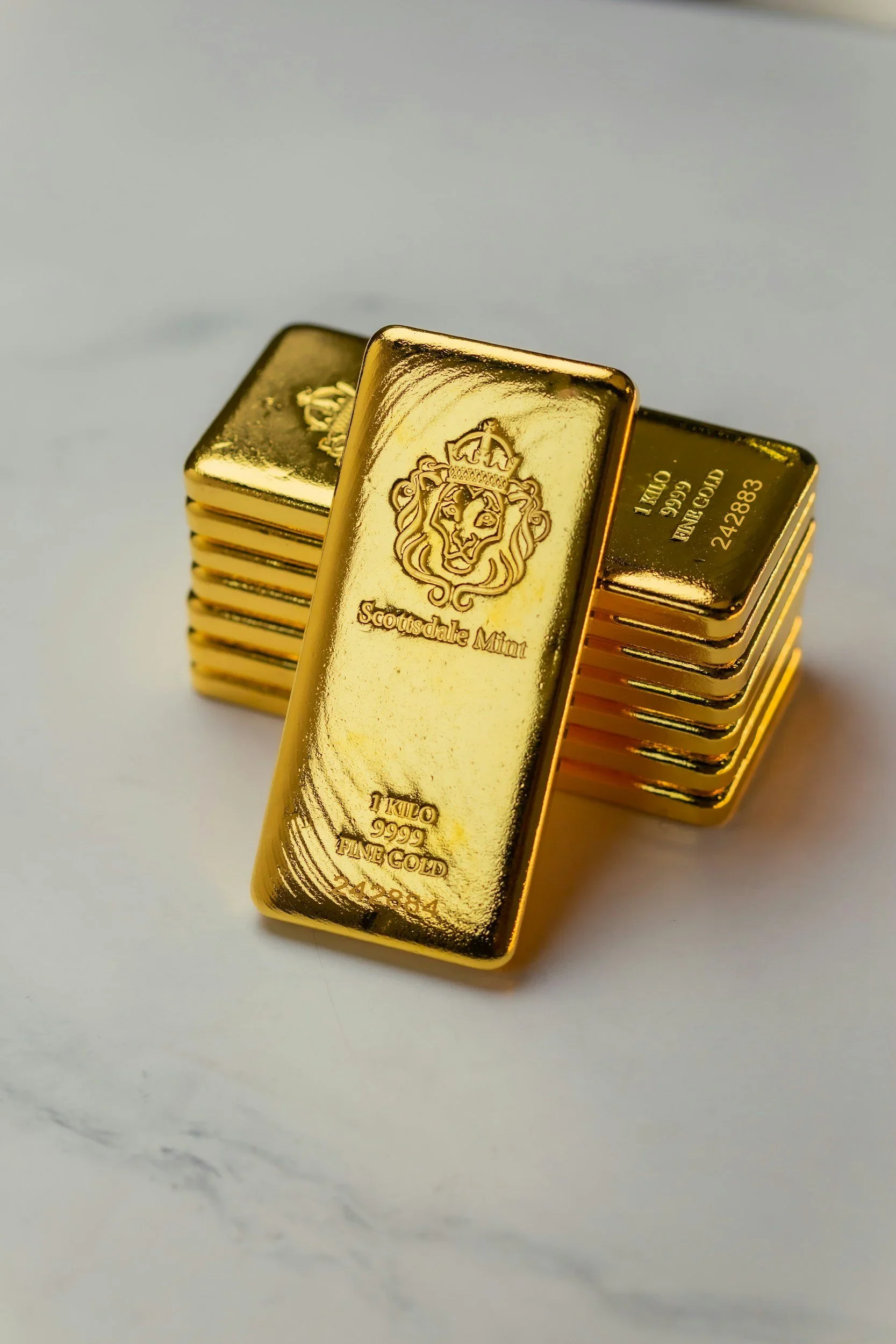
Precious Metals: The Timeless Investment Every Woman Should Understand
When most people think about investing, they picture stock tickers and brokerage accounts. And yes, those absolutely belong in a smart financial strategy. But there's a category of investment that has held its value across centuries, survived market crashes, outlasted empires, and remained relevant through every economic cycle in modern history.
Precious metals.
I know what you might be thinking. Isn't that for doomsday preppers and collectors? Bear with me — because understanding this asset class is one of the most overlooked pieces of building a truly resilient financial life. And resilience, whether we're talking about your hormones or your portfolio, is always the goal.

What Menopause Reveals About Your Marriage (And Why That's Not a Bad Thing)
I've been a gynecologist for over two decades. I've sat across from thousands of women in exam rooms, and I can tell you that some of the most honest conversations I've ever had didn't start with a symptom. They started with a confession.
"I don't know if I'm still in love with my husband or if I just can't stand feeling this way anymore."
"I feel like a different person and I don't know if my marriage fits who I'm becoming."
"Is this menopause, or is this my life?"
The answer, more often than not, is: it's both. And that's not a crisis. That's an invitation.

5 Common Types of Investments and How They Work
Here's something I've noticed in over two decades of working with women: we are incredible at managing complexity. We manage careers, households, relationships, and health decisions — often all at once. And yet when the conversation turns to investing, so many brilliant women tell me they feel lost.
That ends today.
You don't need to master every financial instrument on Wall Street. What you need is a solid understanding of the foundational building blocks — because that knowledge is what lets you ask better questions, make more confident decisions, and ultimately build the wealth that supports your long-term wellbeing.
Here are five of the most common types of investments, broken down simply and without the jargon.

Postmenopausal Bleeding: What Your Body Is Telling You
You've made it through the transition. Twelve months without a period — you're officially postmenopausal. And then it happens. A spot of blood. Maybe what looks like the start of a period.
Your first reaction might be panic. Or you might try to rationalize it away. It was probably nothing. I'll wait and see.
Here's what I want you to hear from me directly: Don't wait. And don't panic. Both extremes don't serve you.
Postmenopausal bleeding is one of those symptoms that deserves a prompt, calm, and thorough conversation with your doctor. Not because it's always serious — in fact, the majority of the time, the cause is completely benign — but because it can be, and we owe it to ourselves to find out.
Let me walk you through what the evidence tells us, what's actually going on in your body, and what happens when you go in for evaluation.

7 Smart Money Moves to Make in Your 50s Before You Retire
Before you can make smart moves, you need a clear, unflinching picture of your current financial reality. This means knowing your net worth — every asset, every liability, every account. It means knowing exactly what you have saved for retirement, where it is held, and how it is invested. It means understanding your monthly cash flow: what comes in, what goes out, and where the gaps are.
Many women in their 50s have a general sense of their finances but have never sat down with the full picture in front of them at once. That changes now. You cannot build a strategy on vague impressions. Get the numbers on paper — or work with a financial advisor who will do it with you — and face them directly. Whatever you find, knowing is always better than not knowing.
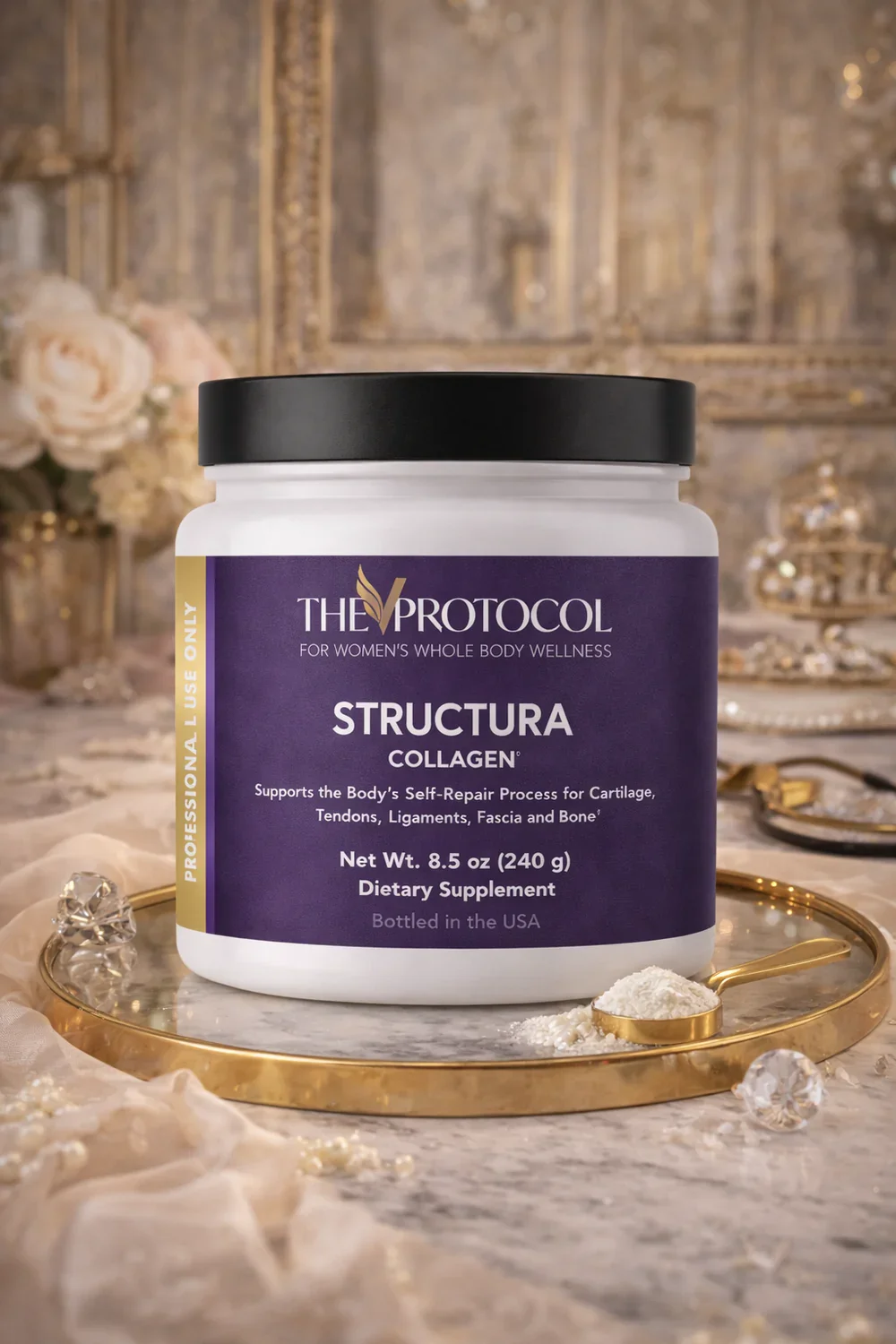
Why Collagen Should Be Part of Every Woman's Menopause Health Plan
If you've noticed that your skin looks a little less firm, your joints ache in ways they didn't a few years ago, your hair feels thinner, or your recovery after exercise takes longer than it used to — I want you to know something important. This is not just aging. This is estrogen decline. And one of the most significant — and least talked about — consequences of that decline is what happens to your collagen.
Let's talk about it, because this is one area where the science is compelling and the opportunity to intervene meaningfully is very real.

Can You Avoid Capital Gains By Buying Another Home?
Real estate is one of the most powerful wealth-building tools available to women — and selling a property at the right time can be a genuinely life-changing financial event. But if you don't understand how capital gains taxes work before you sell, you could leave a significant amount of money on the table.
Let's break this down in plain language, because this is exactly the kind of financial knowledge that changes lives — and that no one ever thinks to teach us.

What No One Told You About Sex After 40
I want to have an honest conversation with you. One that most doctors have never initiated, most medical schools never prioritized, and most women have been quietly waiting their entire lives to have.
It's about your sexual health. And it deserves to be talked about with the same seriousness, the same evidence, and the same urgency as your heart health, your bone density, and your hormones.
Because here's the truth: your sexual health is your health.

Wealth Building Principles When You Don’t Come From Money
Let's talk about something that doesn't get said enough in women's financial spaces: most of us weren't handed a blueprint for wealth. No trust fund. No financial mentorship around the dinner table. No inherited investment accounts. And yet — the path to financial sovereignty is absolutely available to you, regardless of where you started.
I know this firsthand. Building wealth from the ground up requires intention, discipline, and the willingness to learn what no one taught you. Here's where to begin.

The Missing Piece in Your Weight-Loss Plan That Has Nothing to Do With Food
Let me ask you something. You're eating well. You're moving your body. You're managing stress — or at least trying to. And yet the scale isn't budging, your cravings feel out of control, and you're exhausted by mid-afternoon. Sound familiar?
Here's what I see all the time in my practice: women doing so many things right, but completely overlooking one of the most powerful levers in metabolic health. And it's not a new supplement or a different workout protocol.
It's sleep.

Why Paying Down High-Interest Debt Should Be Your Top Financial Priority
Managing your finances can feel like a balancing act: saving for the future, investing for growth, and covering daily expenses all compete for your attention. But if you carry high-interest debt, such as credit card balances or payday loans, it can quietly undermine your long-term financial goals.

How Eating Carbs Before Bed Impacts Your Sleep
Ever wondered whether that late-night pasta bowl or a small snack is helping or hurting your sleep? The answer depends largely on what type of carbs you eat and when you eat them. Not all carbohydrates are created equal, and your body responds differently depending on the kind and timing of the meal.

Top Recommended Budgeting Tools
Managing your money doesn’t have to be stressful or complicated. In today’s digital world, online budgeting tools and apps make it easier than ever to track expenses, monitor financial goals, and gain insight into your spending habits. The best part? Many of these tools automate the process, so you can spend less time manually tracking transactions and more time making smart financial decisions.

The Link Between Menopause Symptoms and Metabolic Health
Menopause is a natural phase of life, but for many women, it can bring challenging symptoms such as hot flashes, night sweats, and cold sweats—collectively known as vasomotor symptoms. While these experiences are common, lasting anywhere from a few years before the final menstrual period to a decade beyond it, not all women are affected equally. Recent research is shedding light on a surprising factor that may influence both the timing and severity of these symptoms: insulin levels.

5 Common Retirement Withdrawal Mistakes
We spend decades building our retirement accounts.
Then one day, the question shifts.
How do I take this money out wisely?
Most women focus on saving well. Very few are taught how to withdraw well. And the order in which you pull from your accounts can impact how long your money lasts, how much you pay in taxes, and how much stress you carry into retirement.
This is where strategy matters.
Here are five common mistakes I see, and what you need to think about instead.
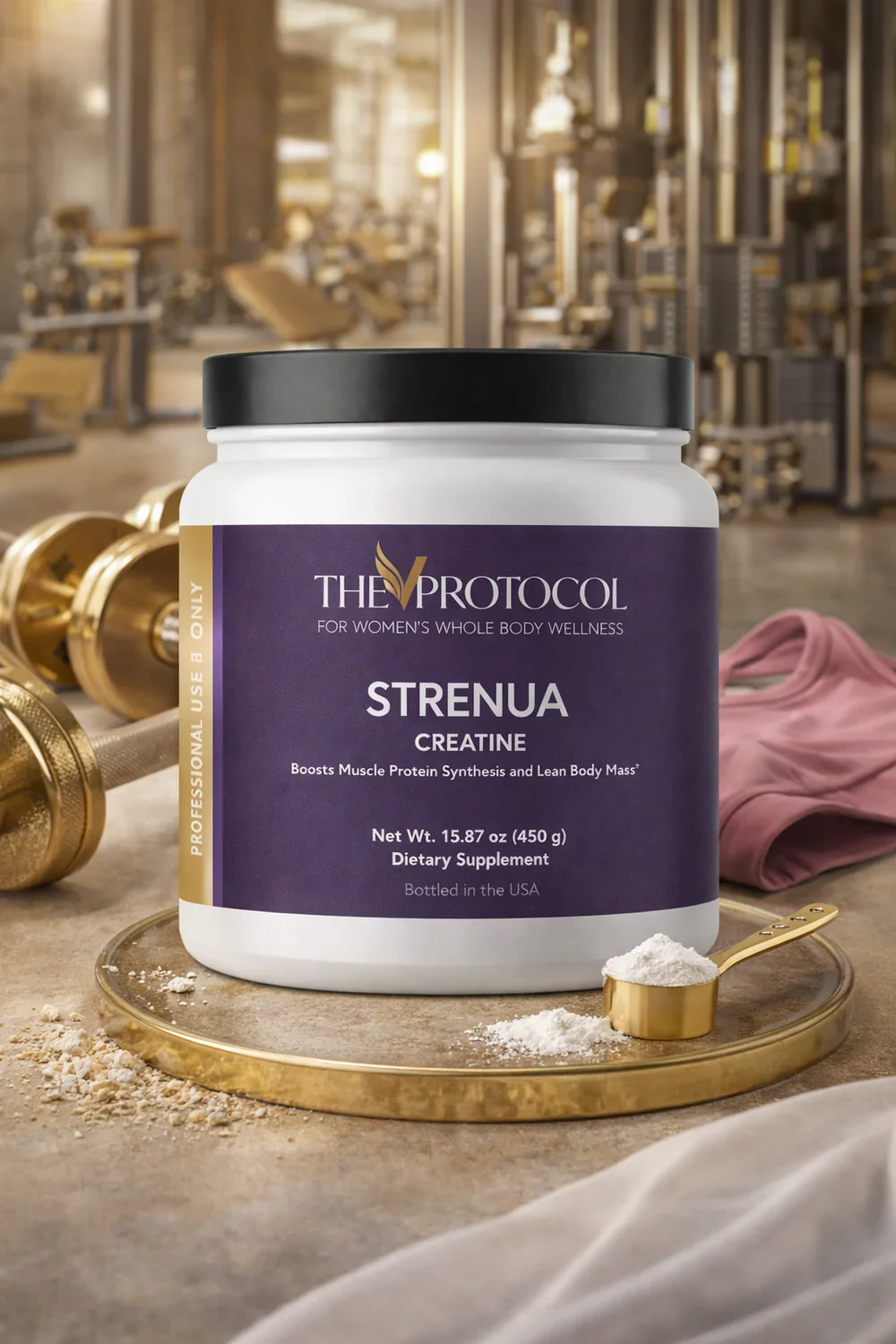
Why Creatine May Be the Missing Link in Your Menopause Health Plan
When women enter perimenopause and menopause, the conversation usually centers around hormones.
Estrogen declines. Progesterone shifts. Sleep changes. Weight redistributes. Muscle mass decreases.
But here is what often gets missed.
Muscle loss during midlife is not cosmetic. It is metabolic. It is structural. It affects strength, bone health, brain function, and long-term independence.
That is where creatine enters the discussion.
And no, it is not just for bodybuilders.
Let’s talk about why creatine is one of the most researched and potentially beneficial supplements for women in perimenopause and menopause.

How to Plan Financially for a Chronic Health Condition
No one plans to get sick.
But many women find themselves managing a chronic condition while also managing careers, families, and financial responsibilities. The diagnosis alone can feel heavy. The financial impact can feel even heavier.
Here is the truth. Chronic health conditions affect more than your body. They affect your income, your savings, your insurance choices, and your long-term plans.

Endometriosis and Hormones
If you have endometriosis, you have likely been told some version of this:
“It’s hormonal.”
That’s true. But it is also incomplete.
Endometriosis is a chronic inflammatory condition where tissue similar to the lining of the uterus grows outside the uterus. These implants respond to hormonal signals, especially estrogen. That hormonal response is a major driver of pain, inflammation, and disease progression.
Let’s break this down clearly. You deserve clarity, not confusion.